An Intro to Ancient Astrology
- Luc D
- Astrology 101 , History
- April 4, 2022
Table of Contents
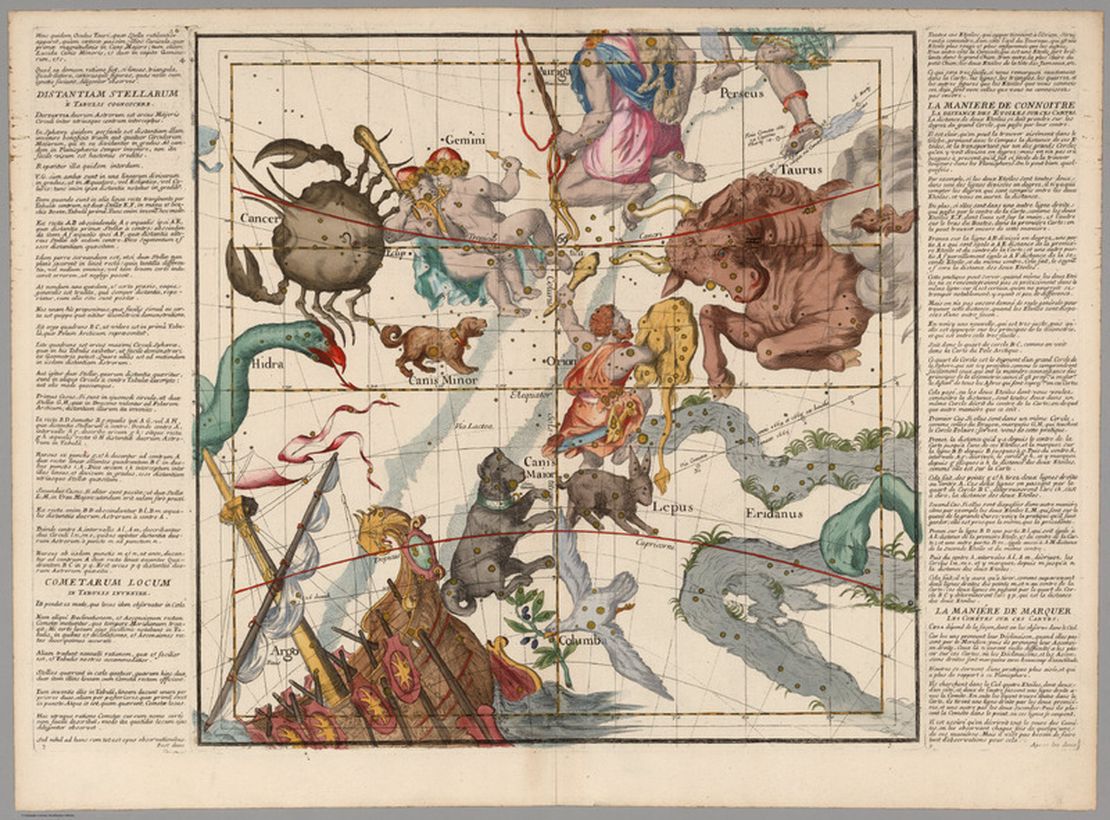
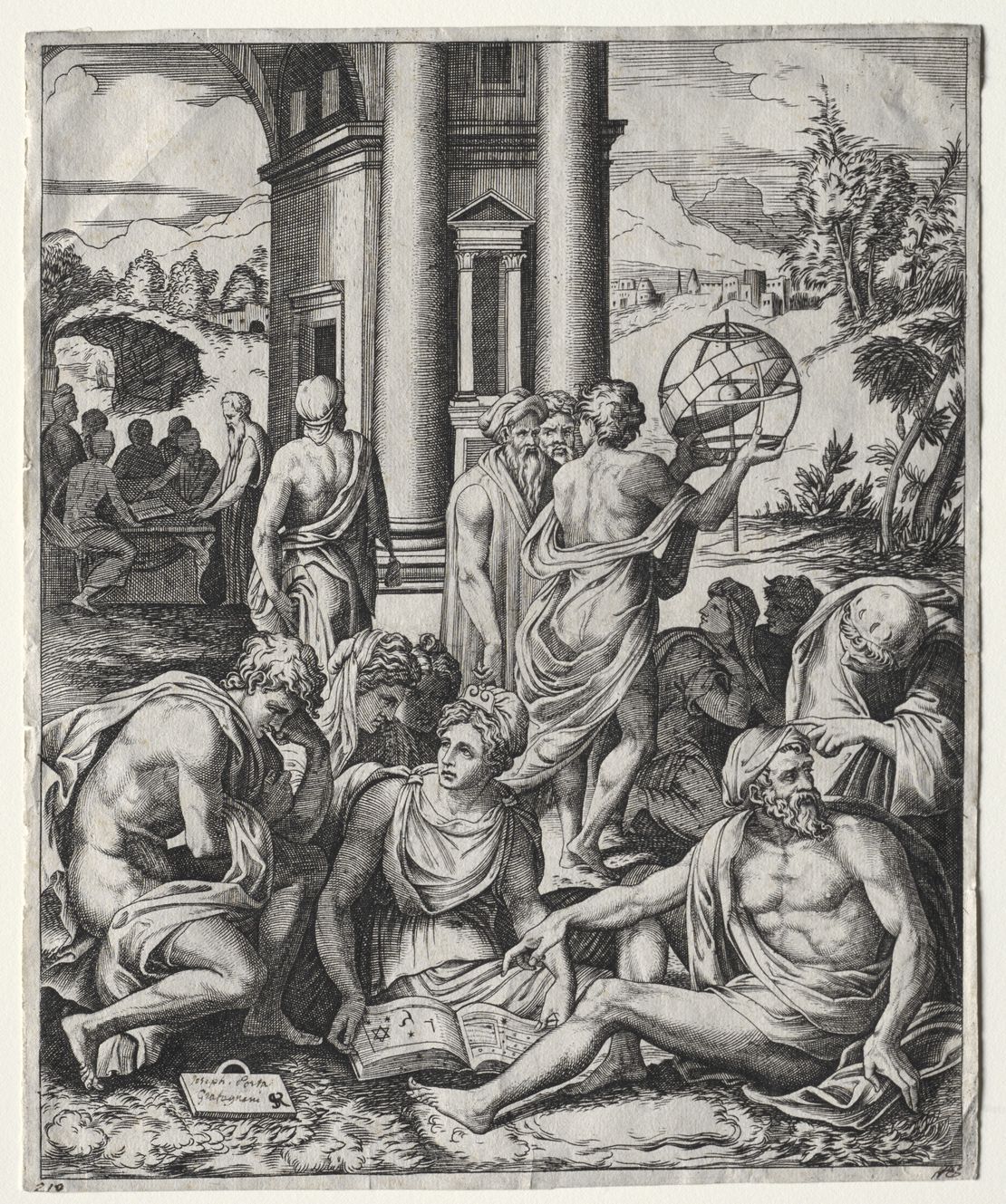
Astrology is among humanity’s oldest sciences, with roots reaching back thousands of years to when our ancestors first looked up at the night sky and wondered about their place in the cosmos. Long before modern astronomy, ancient civilizations across the world developed sophisticated systems for observing celestial patterns and interpreting their meaning for life on Earth.
The practice of astrology emerged independently in several ancient cultures, each developing their own unique approaches while recognizing the same fundamental principle: that the movements of celestial bodies correlate with events and patterns in human life. This wasn’t superstition, but rather a systematic observation of cosmic rhythms that shaped the earliest calendars, agricultural practices, and understanding of time itself.
The Babylonian Foundation
The Babylonians, around 2000 BCE, were among the first to develop a systematic approach to astrology. These ancient Mesopotamian astronomers meticulously tracked planetary movements, recording their observations on clay tablets that have survived to this day. They divided the sky into the twelve zodiacal signs we still recognize and developed methods for calculating planetary positions.
Their primary focus was mundane astrology—predicting events affecting kingdoms, harvests, and weather patterns. The Babylonians believed that the gods communicated their intentions through celestial omens, and interpreting these signs was essential for maintaining cosmic order and societal well-being.
The Vedic Tradition
Around the same time, in ancient India, the Vedic sages developed Jyotisha, the science of light. Unlike the Babylonian focus on collective predictions, Vedic astrology emphasized individual karma and spiritual evolution. The earliest references to astronomical observations appear in the Vedas, the sacred texts of ancient India dating back to at least 1500 BCE.
Jyotisha views the birth chart as a map of karmic patterns carried from past lives. The positions of planets at the moment of birth reveal not just personality traits or future events, but the soul’s evolutionary journey and the lessons it has come to learn. This philosophical depth distinguishes Vedic astrology from purely predictive systems.
Greek and Hellenistic Contributions
When Alexander the Great’s conquests brought Greek culture into contact with Babylonian and Indian knowledge, a remarkable synthesis occurred. Greek philosophers like Ptolemy systematized astrological principles, creating detailed textbooks that influenced Western astrology for centuries.
The Greeks contributed the concept of the horoscope—a map of the heavens at a specific moment in time. They developed house systems, aspects between planets, and refined the interpretation of planetary meanings through their mythological understanding of the gods.
The Living Tradition
What makes ancient astrology relevant today is not just its historical significance, but its continued vitality. The wisdom preserved in Sanskrit texts, Babylonian tablets, and Greek manuscripts offers time-tested insights into human nature and cosmic patterns. Modern practitioners draw upon this ancient knowledge while adapting it to contemporary life.
“The stars incline, they do not compel.” - Ancient astrological maxim
This ancient understanding recognized that astrology reveals tendencies and potentials rather than fixed destinies. The birth chart shows the hand we’re dealt, but how we play that hand remains a matter of free will and conscious choice.
Why Study Ancient Astrology?
In our modern world dominated by technology and rapid change, ancient astrological wisdom offers several valuable perspectives. It reminds us of cyclical time—the idea that history repeats in patterns rather than progressing linearly. It connects us to thousands of years of human observation and contemplation about meaning and purpose.
Ancient astrology also provides a sophisticated symbolic language for understanding psychological and spiritual processes. The archetypes of planets and signs capture universal human experiences that remain as relevant today as they were millennia ago.
Whether you’re drawn to the karmic depth of Vedic astrology, the philosophical richness of Hellenistic traditions, or the omen-reading practices of Babylon, ancient astrology offers a gateway to understanding yourself and your place in the cosmic order. It’s not about predicting a fixed future, but about recognizing the patterns that shape our lives and working consciously with the energies available to us.
As we continue to gaze at the same stars our ancestors observed, we participate in an unbroken tradition of wonder, seeking to understand the mysterious connections between heaven and earth.