A Guide to Astral Charts
- Luc D
- Astrology 101
- April 4, 2022
Table of Contents
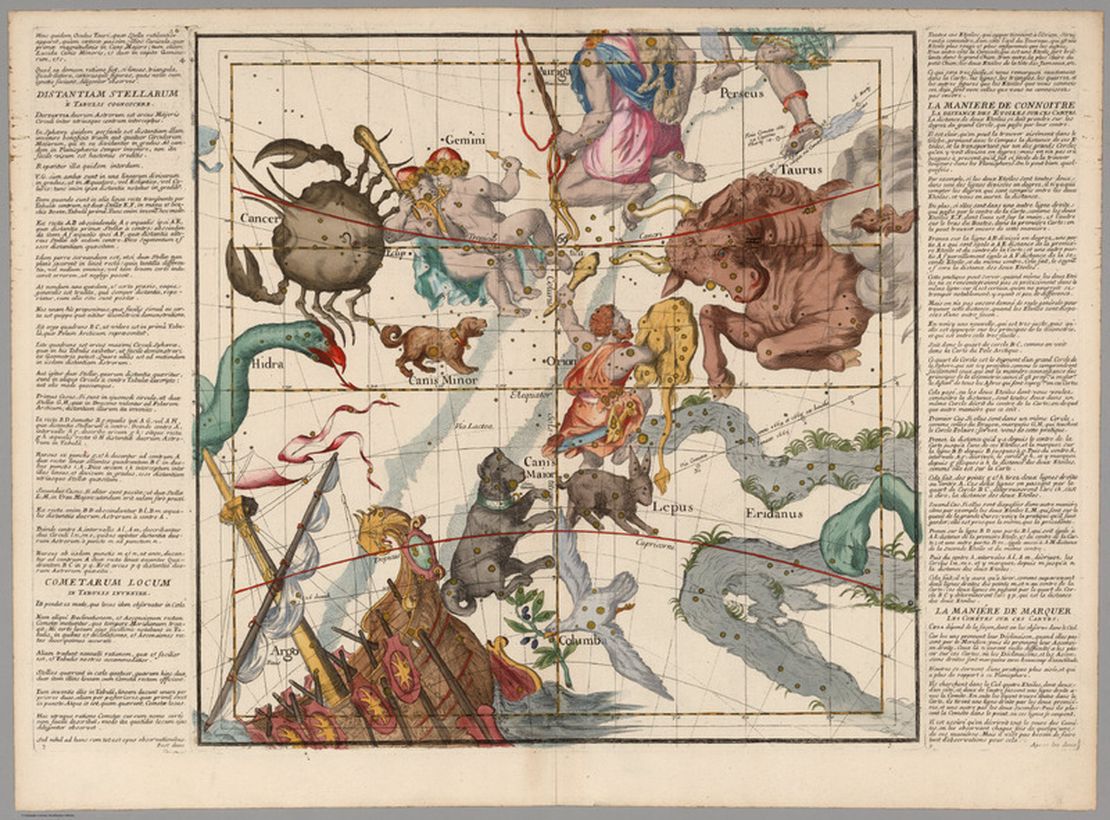
Your birth chart—also called a natal chart or astral chart—is essentially a snapshot of the sky at the exact moment and location of your birth. This cosmic map reveals the positions of planets, the zodiac signs they occupied, and their relationships to each other, creating a symbolic blueprint of your life’s potentials and patterns.
Understanding how to read a birth chart opens up profound insights into your personality, life purpose, challenges, and gifts. While professional astrologers spend years mastering the art of chart interpretation, anyone can learn the basic components that make up this fascinating cosmic portrait.
The Three Pillars: Planets, Signs, and Houses
Every birth chart consists of three fundamental elements working together:
Planets represent the “what”—the different facets of human experience and psychological drives. The Sun represents your core identity and life force. The Moon governs emotions and instinctive responses. Mercury rules communication and thinking. Venus relates to love and values. Mars drives action and desire. Beyond these personal planets, the outer planets—Jupiter, Saturn, and the slower-moving Uranus, Neptune, and Pluto (in Western astrology)—describe generational themes and soul-level lessons.
Signs indicate the “how”—the style or flavor of expression for each planet. A planet in fiery Aries behaves very differently than the same planet in watery Cancer or earthy Taurus. The twelve zodiac signs each carry distinct qualities, elements (fire, earth, air, water), and modes (cardinal, fixed, mutable) that color planetary expression.
Houses reveal the “where”—the life areas where planetary energies manifest most strongly. The twelve houses correspond to different domains of experience: self-identity, finances, communication, home, creativity, health, relationships, transformation, philosophy, career, community, and spirituality.
The Rising Sign: Your Chart’s Foundation
The Ascendant, or rising sign, is perhaps the most important single factor in chart interpretation. This is the zodiac sign that was ascending on the eastern horizon at your birth moment. It determines the entire house structure of your chart and represents your approach to life, physical appearance, and the mask you present to the world.
Your rising sign changes approximately every two hours, which is why accurate birth time is crucial. Two people born on the same day just hours apart can have completely different chart structures due to different Ascendants.
In Vedic astrology, the rising sign (called Lagna) holds even greater importance than the Sun sign, as it represents the physical incarnation and the lens through which you experience reality.
Understanding Planetary Aspects
Aspects are the geometric angles formed between planets in your chart, revealing how different parts of your psyche interact. Planets in harmonious aspects (like trines and sextiles) work together easily, while challenging aspects (squares and oppositions) create dynamic tension that drives growth and development.
The tensions in your chart aren’t flaws—they’re the friction that creates the pearl.
These challenging aspects often point to our greatest growth areas and eventual strengths, once we learn to work with them consciously. Someone with an easy chart may coast through life, while someone with many difficult aspects often develops tremendous resilience and wisdom through navigating their challenges.
The Nakshatras: Lunar Mansions
In Vedic astrology, an additional layer of refinement comes from the nakshatras, or lunar mansions. These are 27 (or 28) segments of the sky that the Moon passes through during its monthly cycle. Each nakshatra has its own deity, symbols, and specific qualities that add nuance to planetary placements.
The nakshatra occupied by your Moon is particularly significant, revealing deep psychological patterns and karmic themes. Many Vedic astrologers consider the Moon nakshatra as important as the Moon sign itself.
The Dashas: Planetary Periods
One of Vedic astrology’s most powerful predictive tools is the dasha system—planetary periods that unfold throughout your life in a specific sequence. Your birth chart determines which planets govern which periods of your life, creating chapters of experience where certain themes predominate.
Understanding your current dasha helps explain why certain life areas are highlighted now and what energies you’re working with during this phase of your journey.
Chart Patterns and Configurations
Beyond individual planets and aspects, astrologers look for larger patterns formed by multiple planets. A Grand Trine creates a triangle of harmony. A T-Square forms a challenging configuration that demands integration and growth. A Stellium—several planets clustered in one sign or house—intensifies focus in that area.
These patterns reveal the overall structure and character of your chart, showing major themes that will play out across your lifetime.
Learning to Read Your Own Chart
If you’re new to astrology, start simple:
- Identify your Sun, Moon, and Rising signs—these form the core of your identity
- Notice which houses contain multiple planets—these life areas will be especially significant
- Look for your chart ruler (the planet that rules your rising sign)—this planet plays a special role in your life story
- Observe clusters of planets in elements (fire, earth, air, water)—these show your energetic balance
Remember that chart interpretation is both a science and an art. While you can learn the meanings of individual components, synthesizing them into a coherent narrative requires practice, intuition, and ideally, guidance from an experienced astrologer.
Your Chart as a Living Document
Your birth chart doesn’t change, but you change as you grow and evolve. The same chart that described a confused twenty-year-old reads differently at forty, after you’ve integrated lessons and developed greater consciousness.
Current planetary transits activate different parts of your natal chart at different times, creating an ongoing dialogue between your unchanging blueprint and the moving sky. This is why astrology remains relevant throughout life—the same map reveals new meanings as you journey through different territories of experience.
Understanding your astral chart is ultimately an act of self-knowledge. It offers a symbolic language for recognizing your unique design, honoring your authentic nature, and navigating life’s complexities with greater wisdom and compassion for yourself and others.